


Oxygen Depletion and Enrichment: Hidden Hazards in Confined Spaces
Oxygen is one of the most important gases in the atmosphere, but when its level falls too low or rises too high, it becomes a serious safety risk. In confined spaces and industrial environments, oxygen depletion and oxygen enrichment can both lead to life-threatening incidents, which is why atmospheric testing is essential before entry.
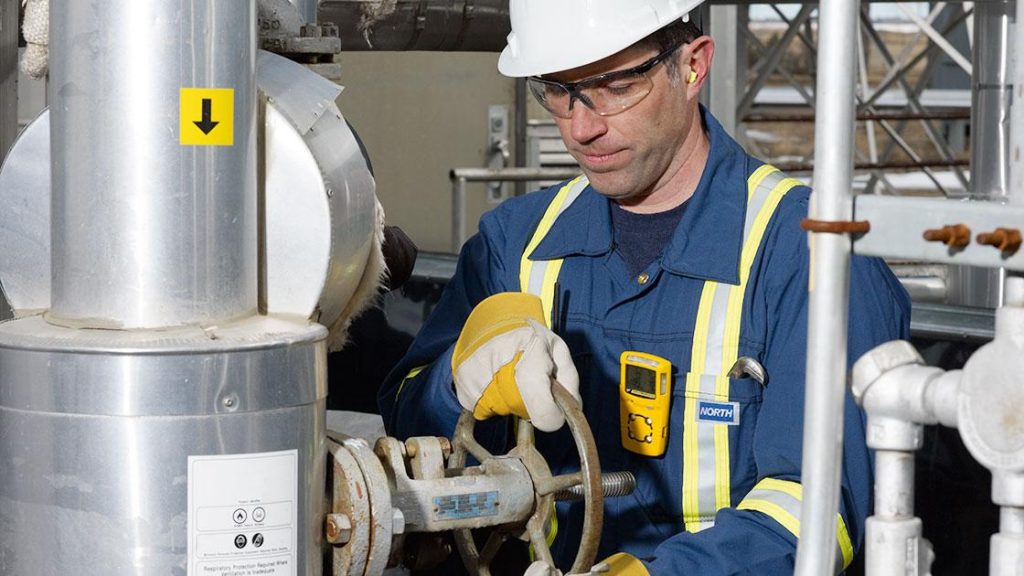
What oxygen depletion means
Normal air contains about 20.9% oxygen, and anything below 19.5% is generally considered oxygen-deficient. At that point, the human body begins to struggle to function properly, with early symptoms including poor judgement, reduced coordination, dizziness and fatigue.
As oxygen levels drop further, the danger increases rapidly. Around 16% oxygen, breathing and concentration are affected; between 10% and 13%, unconsciousness can occur very quickly; and below 6% the risk of death becomes extreme.
Oxygen depletion is especially dangerous because it gives very little warning. The atmosphere may look normal, smell normal and feel normal, even when it is no longer safe to breathe.
What causes oxygen depletion
Oxygen can be consumed or displaced in many ways. Common causes include rusting, combustion, microbial activity, fermentation, and the presence of other gases such as nitrogen, carbon dioxide or helium that push oxygen out of the breathing zone.
Confined spaces are particularly vulnerable because they often have poor ventilation and limited air exchange. Tanks, pipes, sewers, tunnels, vessels and similar enclosed areas can become oxygen-deficient surprisingly quickly if conditions change.
What oxygen enrichment means
Oxygen enrichment occurs when the oxygen concentration rises above normal air levels. A common alarm threshold is 23.5%, and even slightly elevated levels can make a space much more hazardous than it first appears.
The main danger is fire. In oxygen-rich atmospheres, materials that might normally smoulder can ignite easily and burn much more intensely, with higher temperatures and faster flame spread.
This creates a particular risk around oxygen cylinders, leaking pipework, welding, cutting, and other hot work activities. Clothing, grease, oils and other combustible materials can become far more dangerous in an oxygen-enriched environment.
Where the risk is highest
Oxygen-related hazards are common in confined spaces, laboratories, hospitals, utility areas, biogas facilities and industrial sites where inert or oxygen-rich gases are used. These environments may also contain toxic or flammable gases, which adds another layer of risk.hse.gov+3
The challenge is that oxygen problems often develop invisibly. A space can become unsafe because of a process reaction, a gas release, poor ventilation or the use of cleaning and maintenance equipment, and workers may have no obvious warning before entering.hse.gov+1
Why testing is essential
The only reliable way to know whether a space is safe is to test it with a calibrated gas detector before entry and continue monitoring during work. Oxygen detectors are used to identify both low oxygen and high oxygen conditions before they become dangerous.
In many confined space procedures, oxygen levels are expected to remain close to normal atmospheric conditions, and any reading outside the safe range should be investigated and corrected before entry. Ventilation, gas control and continuous monitoring are key parts of that process.
How portable gas detectors help
Portable gas detectors give workers immediate visibility of oxygen levels in real time. When used correctly, they provide early warning of oxygen depletion or enrichment and allow work to stop before anyone is exposed to a hazardous atmosphere.
For confined space entry, a multi-gas detector with oxygen, combustible gas and toxic gas sensors is often the best choice. This gives workers broader protection because oxygen issues frequently occur alongside other atmospheric hazards.
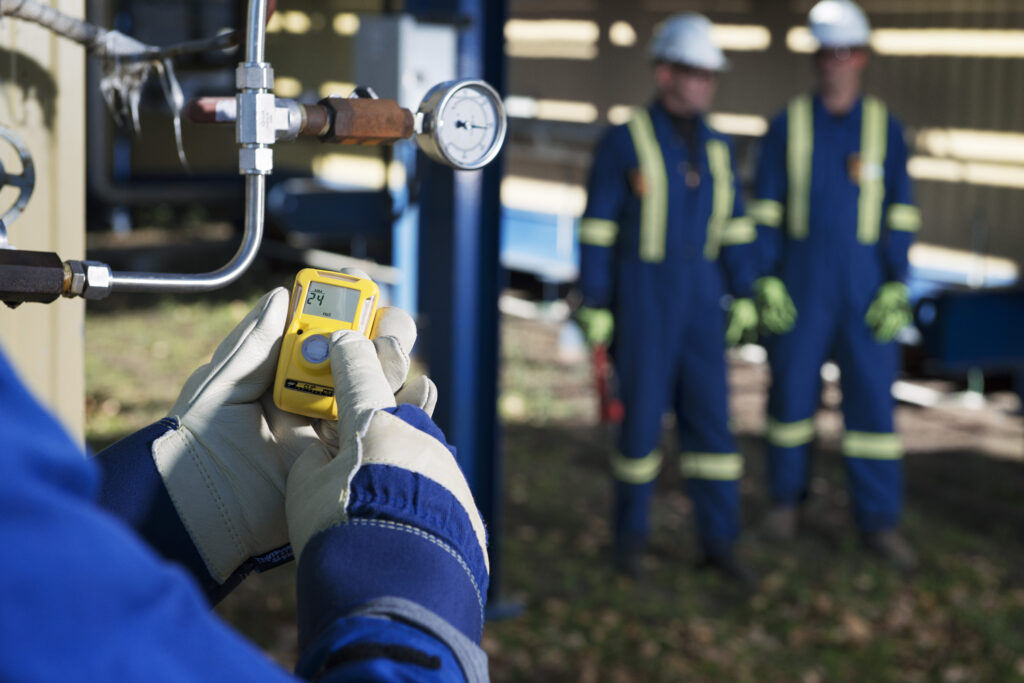
Good safety practice
Safe oxygen management is not just about a detector; it is about a complete system of work. That means training, pre-entry testing, continuous monitoring, ventilation where needed, calibration of instruments, and a rescue plan if conditions change unexpectedly.
Workers should never assume a confined space is safe because it was safe last time. Atmospheric conditions can change from one shift to the next, and even a small shift in oxygen concentration can make the difference between a normal entry and a serious incident.
Final word
Oxygen depletion and oxygen enrichment are two of the most dangerous hidden hazards in industrial safety. Both can occur without warning, and both can have severe consequences unless the atmosphere is tested, monitored and controlled properly.
For Q Instrument Services customers, this is exactly where portable gas detection plays a critical role. It helps protect workers, supports compliance and gives teams the confidence to enter confined spaces more safely.
